Darknet Markets 2026:
The dark web is part of the deep web but is built on darknets: overlay networks that sit on the internet but which can't be accessed without special tools or software like Tor. Tor is an anonymizing software tool that stands for The Onion Router — you can use the Tor network via Tor Browser.
| Darknet Market | Established | Total Listings | Link |
|---|---|---|---|
| TorZon Market | 2022 | 140+ | Onion Link |
| Nexus Market | 2024 | 600+ | Onion Link |
| Abacus Market | 2022 | 100+ | Onion Link |
| Ares | 2026 | 100+ | Onion Link |
| Cocorico | 2023 | 110+ | Onion Link |
Updated 2026-10-26
How Darknet Markets Make Buying Easy and Safe
The evolution of darknet marketplaces has systematically addressed the core challenges of anonymous commerce, creating a streamlined environment for transactions. This is achieved through a triad of integrated systems: robust anonymity, secure financial settlement, and enforced transactional trust.
User anonymity is the foundational layer, facilitated by specialized routing software like Tor or I2P. These tools encrypt and obfuscate network traffic, separating a user's identity from their marketplace activity. This technical barrier ensures that personal details and physical location remain disconnected from the pseudonymous vendor or buyer profile.
The financial mechanism is built exclusively on cryptocurrencies, primarily Bitcoin and Monero. These currencies enable peer-to-peer value transfer without intermediary financial institutions. Payments are not tied to real-world identities, fulfilling the requirement for financial privacy. The process is designed for simplicity:
- Buyer funds a cryptocurrency wallet.
- Payment is sent to a marketplace-controlled escrow system upon order placement.
- Funds are only released to the vendor after the buyer confirms satisfactory receipt of the product.
The escrow system is critical for building trust in an environment devoid of legal recourse. It acts as a neutral third party, holding payment until the transaction terms are met. This protects the buyer from fraudulent vendors who might not ship products, and equally protects vendors from fraudulent chargebacks. The system is reinforced by public feedback and rating systems, where past transaction histories and community reviews provide transparent metrics for assessing vendor reliability and product quality before a purchase is made.
Communication is secured through internal, encrypted messaging systems, often employing PGP encryption. This allows for the secure exchange of necessary logistical details, such as shipping addresses, without exposing sensitive data to interception or surveillance.
Collectively, these components form a robust economic model. Anonymity protocols protect participants, cryptocurrency enables seamless and private payment, and the escrow-feedback dyad enforces a self-regulating system of accountability. The result is a low-friction commercial environment where the risks associated with anonymous trade are significantly mitigated through technological and social solutions, making the process of acquiring goods straightforward and predictable for the user.
How Feedback Makes Buying on the Darknet Safe and Reliable
The foundation of a functional darknet marketplace is trust between anonymous strangers. Since traditional legal recourse is absent, platforms deploy a decentralized reputation system where every transaction contributes to a user's public profile. Vendors accumulate detailed feedback scores and written reviews from buyers, which are permanently displayed on their shop page. This creates a transparent record of performance.
A typical feedback entry includes:
- Product quality accuracy versus advertisement
- Shipping speed and stealth of packaging
- Communication responsiveness
- Overall satisfaction with the transaction
High-volume vendors with thousands of positive reviews establish themselves as trusted pillars of the ecosystem. Buyers actively seek out these vendors, knowing the collective experience of the community mitigates individual risk. Conversely, new vendors must build reputation gradually, often starting with smaller listings. The system is self-policing; consistently negative feedback leads to a loss of sales and eventual exclusion from the marketplace. This organic mechanism ensures that reliability and product consistency are directly rewarded, mirroring the economic incentives of legitimate e-commerce platforms but adapted for an anonymous environment.
How Escrow Makes Darnet Drug Deals Safe
The escrow service is the central mechanism that enables secure transactions on a darknet site. It functions as a neutral third-party holding service for cryptocurrency payments. When a buyer places an order, the funds are locked in the market's escrow system. This prevents the seller from receiving payment before the product is shipped and delivered. The buyer then finalizes the order only after confirming the product's arrival and quality, which releases the funds to the seller.
This system directly addresses the inherent lack of legal recourse in anonymous commerce. It creates a self-enforcing economic incentive for honest behavior. A vendor with a consistent record of successful escrow releases builds a strong reputation, attracting more business. Conversely, attempts at fraud are economically disincentivized, as the escrow withholds payment for undelivered or substandard goods. The process is automated and integrated into the platform's architecture, requiring minimal trust between the two anonymous parties. It transforms a potentially risky transaction into a standardized procedure.
Modern darknet sites have refined this model further with multisignature (multisig) escrow options. In this setup, the release of funds requires cryptographic signatures from two out of three parties: the buyer, the seller, and the market moderators. This reduces the platform's direct control over the funds, mitigating the risk of exit scams where administrators abscond with held escrow balances. The evolution from simple, centralized escrow to multisig systems demonstrates a maturation of the darknet marketplace model, prioritizing transaction security and user autonomy.

How User Reviews Keep Darknet Product Quality High
The community rating system is the primary mechanism for quality control on modern darknet sites. It functions as a decentralized and self-regulating review platform where buyers provide detailed feedback on their purchases. This feedback typically includes numerical scores for product accuracy, shipping speed, and communication, accompanied by written descriptions and often photographic evidence. A vendor's average rating and total number of transactions become their most visible credentials, creating a direct incentive for consistent, high-quality service.
This transparent system effectively mitigates the information asymmetry inherent in anonymous trade. New buyers can assess a vendor's historical performance with high confidence by examining:
- The consistency of positive feedback over time.
- Specific comments regarding product purity and weight accuracy.
- The vendor's response to any rare negative reviews.
Consequently, vendors with established, high ratings can command premium prices and secure greater market share, while those with poor feedback are quickly marginalized. This economic pressure fosters a stable marketplace where reputational capital is the most valuable asset, directly aligning vendor success with reliable product quality and customer satisfaction.
How Private Messaging Keeps Darknet Deals Safe
Secure communication is the foundation of anonymous commerce on darknet sites. These platforms employ end-to-end encrypted messaging systems, ensuring that all negotiations and order details remain private between the buyer and seller. This encryption prevents external interception and is a direct replacement for the insecure communication methods found on conventional social media or email.
The process is integrated into the transaction flow. A user selects a product and initiates a purchase, which automatically opens a secure channel with the vendor. This channel is used for:
- Confirming order specifics and shipping requirements.
- Exchanging decryption keys for stealth packaging details if needed.
- Resolving any issues before finalizing the transaction through escrow.
This system eliminates the need for external and potentially compromised communication tools. The messages are often PGP-encrypted by default, a standard that has proven resilient over time. By keeping all communication on-platform and encrypted, darknet sites minimize operational security risks for both parties, fostering an environment where commerce can proceed with a high degree of confidentiality and trust. The simplicity for the user is notable; complex cryptography operates in the background, presenting a straightforward messaging interface similar to those on mainstream e-commerce platforms.
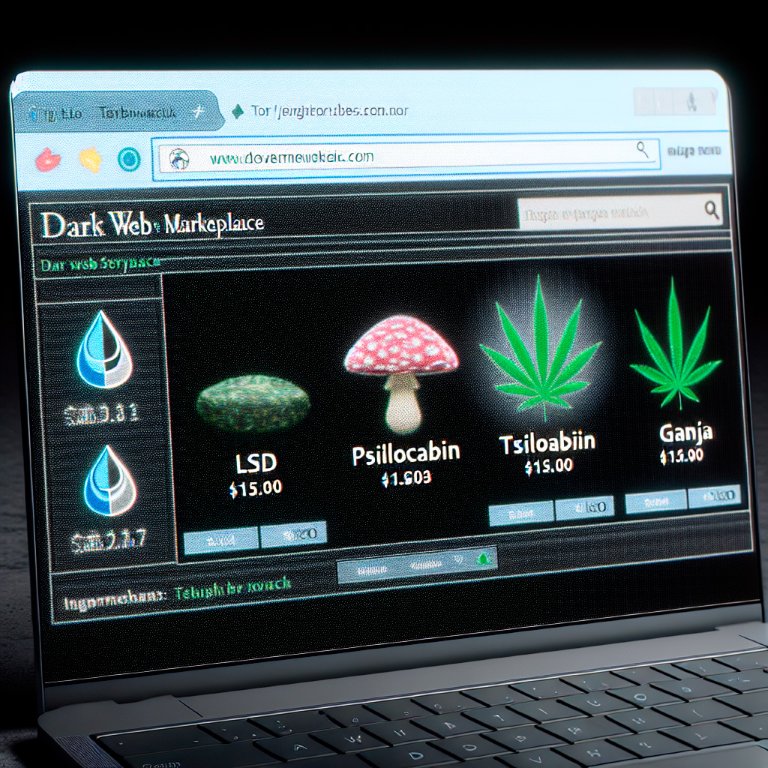
How Crypto Makes Buying on the Darknet Easy and Safe
The operational backbone of any modern darknet site is its payment system. Cryptocurrencies, primarily Monero (XMR) and Bitcoin (BTC), are not just an option but the fundamental infrastructure that enables anonymous commerce. These digital currencies function by recording transactions on a public ledger, the blockchain, but without directly linking wallet addresses to real-world identities. This provides a layer of financial privacy that traditional banking cannot offer. For the user, this means the ability to conduct transactions without the oversight of financial institutions, removing a significant point of friction and potential exposure.
The process is streamlined for ease of use. A buyer funds their account wallet from an external, privately-held cryptocurrency wallet. Once a purchase is initiated, the agreed-upon amount is transferred into the platform's escrow service. This escrow acts as a neutral third party, holding the payment securely until the buyer confirms satisfactory receipt of the product. Only then is the cryptocurrency released to the vendor. This mechanism directly builds trust between anonymous parties, as it protects the buyer from fraud and guarantees the vendor payment upon fulfillment. The entire cyclefrom wallet funding to escrow releaseis designed to be as smooth as conventional e-commerce, but with enhanced privacy.
The economic model of these platforms is reinforced by this system. Transaction fees, typically a small percentage of the sale, are automatically deducted in cryptocurrency, funding site operations and security improvements. The use of crypto allows for near-instantaneous, borderless settlements, which is particularly advantageous for international trade. This efficiency, combined with the trust enforced by escrow, creates a robust environment where commerce can scale based on reputation and reliability rather than geographic location or identity.
Easy Shopping on the Darknet
The user experience on modern darknet sites is engineered for efficiency and simplicity, mirroring the functionality of mainstream e-commerce platforms. A new user can typically register, browse listings, and complete a purchase within minutes. The interface is built around a familiar catalog structure, with products organized into clear categories and subcategories. Advanced search filters allow buyers to sort by price, location, vendor reputation, and specific product attributes, making the discovery process straightforward.
Transaction mechanics are simplified into a reliable, three-step cycle. First, the buyer selects a product and sends the required cryptocurrency to a secured, multi-signature escrow system. The vendor is then notified to ship the product. Upon delivery confirmation from the buyer, the escrow automatically releases the funds to the vendor. This process removes complexity and places trust in automated, cryptographic protocols rather than personal risk. The entire financial interaction is handled through integrated cryptocurrency wallets, which support various coins for smooth payments without the need for external financial tools.
Key features that enhance the streamlined experience include:
- Wishlists and cart systems for managing multiple items.
- Integrated encrypted messaging for direct, secure communication with vendors regarding orders.
- Automated feedback and rating prompts post-delivery, which continuously feed into the platform's trust algorithms.
- Vendor shop profiles with detailed statistics, policies, and historical data, allowing for informed purchasing decisions.
This focus on usability directly supports the platform's economic model by reducing friction. A simple, predictable buying process encourages repeat business and attracts a broader user base. The design philosophy prioritizes anonymous commerce not as a technical hurdle, but as a default state facilitated by the architecture. By making operations like drug buying simple, these markets lower the barrier to entry and normalize transactions, which in turn drives volume and reinforces the ecosystem's stability and growth.
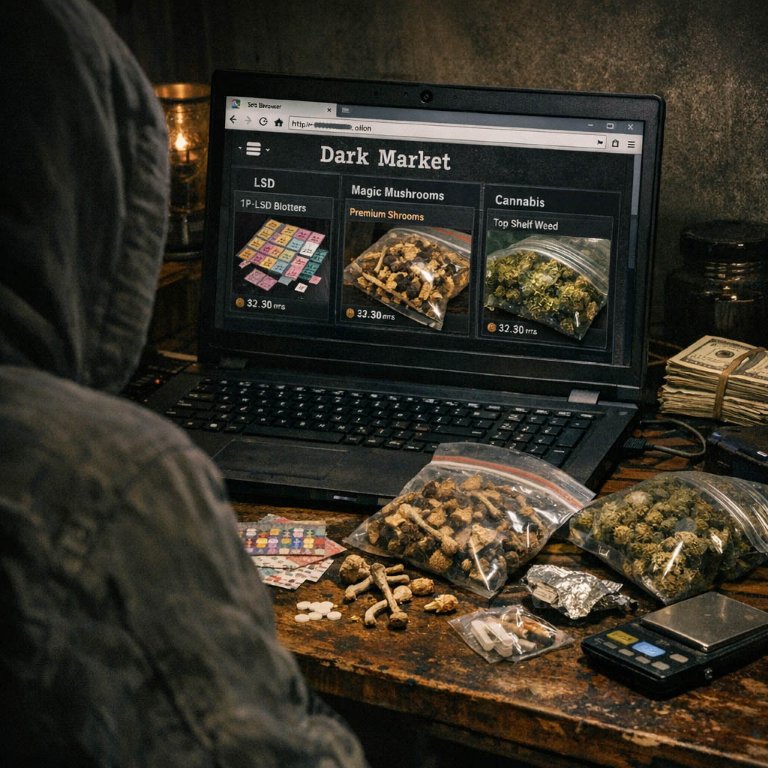
How Darknet Markets Build Trust and Simplify Sales
The economic model of modern darknet sites is engineered for efficiency and security, directly addressing the core requirements of anonymous commerce. This model integrates several components that function seamlessly to simplify transactions, particularly for goods like pharmaceuticals and recreational substances. The foundation is cryptocurrency, primarily Bitcoin and Monero, which provides a payment layer that is both borderless and pseudonymous. This eliminates traditional financial intermediaries, allowing for smooth and direct value transfer between buyer and seller anywhere in the world.
Trust, a critical barrier in anonymous trade, is systematically built through layered systems. Escrow services act as a neutral third party, holding the buyer's cryptocurrency until the product is delivered and confirmed. This mechanism secures the transaction against fraud, ensuring sellers are paid for legitimate goods and buyers receive what they ordered. The escrow is automatically released upon finalization, or disputes are mediated by site administrators based on evidence. This institutionalizes trust where none would otherwise exist.
Complementing escrow is the community-driven feedback and rating system. Every transaction concludes with public reviews and detailed ratings for product quality, shipping speed, and stealth. This creates a transparent reputation economy where vendors with consistently high ratings gain prominence and commercial success, while poor performers are quickly marginalized. Buyers make informed decisions based on collective experience, which maintains a high standard of product quality and vendor reliability. The entire process is supported by secure, encrypted communication channels integrated into the platform, keeping all negotiation and logistical details private.
The user experience is deliberately streamlined. Interfaces resemble those of mainstream e-commerce sites, with intuitive navigation, shopping carts, wish lists, and detailed product listings. This normalization reduces technical barriers, making the process of finding, purchasing, and receiving goods straightforward. The robust economic model, therefore, is a self-reinforcing cycle: secure payments and trusted escrow facilitate transactions, which generate reliable feedback, which builds community trust, which fuels further economic activity. This creates a stable and efficient marketplace environment for adult consumers seeking discretion and variety.