Darknet Markets 2026:
The dark web is part of the deep web but is built on darknets: overlay networks that sit on the internet but which can't be accessed without special tools or software like Tor. Tor is an anonymizing software tool that stands for The Onion Router — you can use the Tor network via Tor Browser.
| Darknet Market | Established | Total Listings | Link |
|---|---|---|---|
| TorZon Market | 2022 | 140+ | Onion Link |
| Nexus Market | 2024 | 600+ | Onion Link |
| Abacus Market | 2022 | 100+ | Onion Link |
| Ares | 2026 | 100+ | Onion Link |
| Cocorico | 2023 | 110+ | Onion Link |
Updated 2026-10-26
How Anonymity Makes Darknet Trade Safe and Private
User anonymity is the non-negotiable starting point for all activity on darknet markets. This is achieved through the mandatory use of the Tor network and similar anonymity protocols, which encrypt and route a user's connection through multiple layers, effectively masking their IP address and physical location from the market platform and other users. This technical separation of online identity from real-world identity creates a foundational layer of privacy.
To complement this network anonymity, markets enforce a strict culture of operational security (opsec). Users operate under pseudonyms, and all communications are conducted using PGP encryption. This ensures that even market administrators cannot read private messages between a buyer and a seller, turning every transaction into a private, encrypted agreement. The system is designed so that no single entity possesses both a user's identity and their transaction history.
The practical effect of this architecture is a commercial environment where participation is based on reputation and trust signals built within the platform itself, rather than on external identifiers. This allows for open communication about product specifics and transaction terms without the privacy risks associated with conventional e-commerce or social media platforms. Anonymity here is not an accessory but the core infrastructure that makes the decentralized economic model possible and viable for its participants.
How Crypto Payments Protect Your Privacy on the Darknet
The operational integrity of darknet commerce is fundamentally dependent on financial privacy, which is achieved through the use of cryptocurrencies like Bitcoin and Monero. Unlike traditional banking, these digital currencies operate on a decentralized ledger, the blockchain, which records transactions without directly linking them to real-world identities. This system allows for a pseudonymous exchange of value, where users interact via wallet addresses rather than personal names or account numbers.
The process is straightforward: a buyer sends cryptocurrency from their private wallet to the vendor's listed address to complete a purchase. This direct peer-to-peer transaction bypasses financial institutions entirely, eliminating the risk of a bank flagging or freezing funds related to certain types of commerce. For enhanced privacy, currencies with advanced obfuscation features are often preferred, as they can hide transaction amounts and participant addresses on the blockchain itself.
This financial model provides several concrete advantages for market participants:
- It removes the need for a trusted third-party payment processor, reducing points of failure and censorship.
- It grants users greater autonomy over their funds, enabling seamless cross-border transactions without exchange controls.
- It creates a durable economic layer where commerce can proceed based on mutual agreement, independent of external financial policies.
Consequently, cryptocurrency is not merely a payment option but the essential economic infrastructure that enables the darknet marketplace to function as a resilient and self-contained ecosystem for trade.
How Escrow Makes Darnet Deals Safe for Everyone
The escrow system is a fundamental trust mechanism in darknet commerce, directly addressing the inherent risk of anonymous transactions. It functions as a neutral third-party service that securely holds the buyer's cryptocurrency payment until the transaction terms are fulfilled. This process ensures that the vendor does not receive funds until the buyer confirms satisfactory receipt of the goods, while simultaneously guaranteeing the vendor that payment is secured and will be released upon proof of shipment.
Operationally, when a purchase is made, the cryptocurrency is locked in a multi-signature escrow wallet. This wallet typically requires two out of three possible cryptographic keys to release the funds: one held by the buyer, one by the vendor, and one by the market's escrow service or a designated moderator. The funds are only disbursed after the buyer finalizes the order, which is an explicit confirmation that the product was received as described. This creates a balanced economic incentive for honest conduct from both parties.
If a dispute arises, such as a non-delivery or a significant quality discrepancy, the system allows for moderator arbitration. Both the buyer and vendor can submit evidencelike tracking information or photographic proofto an impartial market moderator. The moderator then reviews the case and decides to release the funds to the appropriate party, effectively resolving conflicts without requiring personal information or external legal systems. This built-in dispute resolution upholds market integrity and user confidence, making anonymous trade not only possible but practically enforceable.

How Reviews Build Trust on the Darknet
The review system is a fundamental mechanism for establishing trust and transparency in darknet commerce. Unlike anonymous street transactions, these platforms provide a persistent record of vendor performance. Buyers leave detailed feedback on product quality, purity, and accurate weight, as well as the seller's communication speed and stealth of packaging. This creates a powerful form of community-driven accountability.
A vendor with hundreds of positive reviews builds a reputational capital that is economically valuable and difficult to fake. The system naturally filters out unreliable sellers, as poor service leads to negative public ratings and a loss of future business. For the buyer, this reduces risk significantly; they can assess a seller's history before committing funds, making informed decisions based on collective experience rather than blind trust.
The structure of reviews often includes:
- Numerical ratings for product and service
- Verifiable transaction tags confirming a sale occurred
- Detailed written descriptions and sometimes photographic evidence
How Moderators Keep Drug Vendors Honest on the Darknet
Market moderators function as the internal regulatory mechanism of a darknet marketplace, ensuring transactional integrity and vendor reliability. Their role is pivotal in maintaining the market's reputation, which directly influences its economic viability. Moderators actively monitor vendor activity, review dispute cases between buyers and sellers, and enforce the platform's specific rules.
When a dispute arises, typically concerning non-delivery or product quality, the moderator examines the evidence provided by both parties. This often includes tracking information, encrypted communication logs, and product images. The moderator's decision determines the release of escrow funds to either the vendor or the buyer, providing a neutral arbitration service that substitutes for traditional legal channels. This system incentivizes vendors to maintain high standards, as consistent negative feedback or upheld disputes can lead to account suspension or banning, directly impacting their revenue stream.
The effectiveness of this moderation is publicly visible through the user review and rating system. A vendor with a long history of positive reviews and a high rating is a direct result of successful moderation and consistent performance. This creates a transparent feedback loop where moderator actions bolster the credibility of the vendor reputation system, allowing buyers to make informed decisions based on collective experience. Consequently, the moderator's work transforms the marketplace from a mere listing board into a self-policing commercial ecosystem where accountability is enforced by community-driven rules and economic incentives, rather than by external entities.
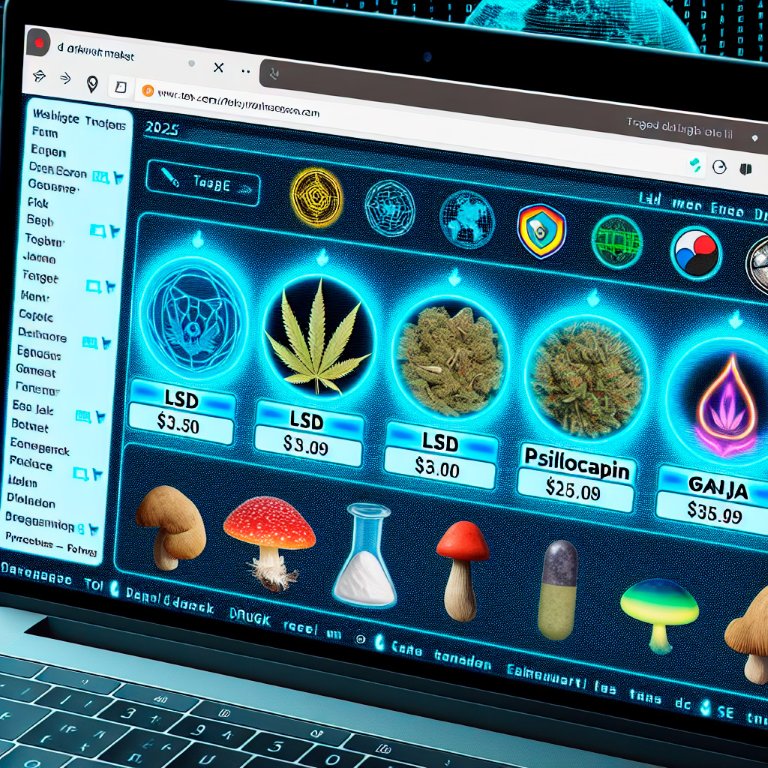
Decentralized Hosting Keeps Darknet Markets Running
The operational continuity of darknet markets is fundamentally dependent on their resistance to takedown attempts. This is achieved through decentralized hosting, a technical architecture that distributes a market's critical components across a global network of independent servers, rather than relying on a single, vulnerable data center.
This distribution creates inherent resilience. If one server or node is compromised or forced offline, the market's software and data remain accessible through other points in the network. The system is designed to automatically reroute user traffic, ensuring continuous availability for both vendors and buyers. This model directly counters the centralized weakness of traditional web services, where seizing a primary server results in immediate and total shutdown.
The practical effect is a self-healing marketplace infrastructure. Updates and new listings propagate across the network, maintaining a consistent and up-to-date economic environment. For participants, this translates to reliable access and the confidence that the platform itself, as the foundation for secure transactions and community trust mechanisms, will persist over time.
How Regular Updates Make Darknet Markets Safer and Easier to Use
The operational resilience of a darknet market is directly tied to its software infrastructure. Continuous updates are not merely feature additions; they are critical security patches that address newly discovered vulnerabilities in real-time. This proactive development cycle functions as a dynamic defense mechanism against external threats, closing potential entry points before they can be exploited. For the user, this translates into a more secure environment where personal data and transaction details are persistently safeguarded.
Beyond core security, these updates systematically refine the user interface and transaction workflows. Developers analyze user feedback and behavioral patterns to streamline navigation, simplify the checkout process, and enhance communication tools between buyers and vendors. Each iteration makes the platform more intuitive and reliable, reducing user error and fostering efficient commerce. The introduction of improved encryption protocols or more robust escrow systems within updates further solidifies transactional trust.
This cycle of improvement creates a positive feedback loop: a stable, user-friendly market attracts more reputable vendors and experienced buyers, whose activity and feedback, in turn, guide the priorities for the next update. The software evolves to meet the precise needs of its ecosystem, ensuring the platform remains functional, competitive, and secure. Consequently, the market sustains itself as a viable economic space by prioritizing the tools that protect its users and facilitate seamless trade.

How the Darknet Builds a Trusted Market for Smooth Trade
The combination of these core principles results in a self-regulating economic ecosystem. Anonymity and cryptocurrency form the base layer of privacy, while the escrow system and user review mechanisms establish a framework for trust and accountability that does not require a central authority. Vendors with consistent positive feedback and high ratings gain a competitive reputation, incentivizing reliable service and product quality. Market moderators enforce the platform's rules, resolving disputes and removing bad actors, which further polices the environment. This feedback loop, supported by decentralized hosting and ongoing security updates, creates a stable and efficient marketplace. Participants can engage in transactions with a high degree of confidence, knowing the system is designed to protect their interests and facilitate fair trade autonomously.