Darknet Markets 2026:
The dark web is part of the deep web but is built on darknets: overlay networks that sit on the internet but which can't be accessed without special tools or software like Tor. Tor is an anonymizing software tool that stands for The Onion Router — you can use the Tor network via Tor Browser.
| Darknet Market | Established | Total Listings | Link |
|---|---|---|---|
| TorZon Market | 2022 | 140+ | Onion Link |
| Nexus Market | 2024 | 600+ | Onion Link |
| Abacus Market | 2022 | 100+ | Onion Link |
| Ares | 2026 | 100+ | Onion Link |
| Cocorico | 2023 | 110+ | Onion Link |
Updated 2026-10-26
How a dknet's built-in trust system makes buying safe and easy
The foundation of secure commerce on the darknet is a trust architecture built directly into the platform's design. This system allows buyers to shop with confidence, mirroring the safety features of surface web e-commerce but with enhanced privacy. The process begins with vendor selection, where a seller's long-term reputation, reflected in detailed feedback scores and reviews, is the primary metric for reliability. New vendors often start with smaller listings to build this reputation organically.
To secure a transaction, funds are placed into a multisignature escrow service held by the market. This means the cryptocurrency payment is locked and cannot be accessed by the vendor until the buyer confirms satisfactory receipt of the goods. This mechanism effectively eliminates the risk of non-delivery. The escrow process typically follows these steps:
- Buyer places an order and sends payment to the escrow address.
- Vendor is notified and ships the product.
- Buyer receives the product and finalizes the order, releasing escrow funds to the vendor.
If an issue arises, such as a dispute over product quality or non-delivery, a neutral moderator from the market platform can review encrypted communication and evidence from both parties to adjudicate and release funds fairly. This integrated system of persistent reputation and third-party held escrow creates a self-regulating economic environment where private, direct trade can flourish based on demonstrated trustworthiness rather than personal identity.
How Crypto and Encryption Keep Darknet Trade Private and Secure
The operational foundation of a darknet market is built upon two technological pillars: cryptocurrency and encryption. These tools directly enable the privacy and security required for discreet commercial transactions. Cryptocurrencies like Monero and Bitcoin facilitate peer-to-peer financial transfers without the involvement of traditional banking institutions. This creates a layer of financial privacy, as transactions are recorded on a public ledger but are not inherently tied to real-world identities. The use of cryptocurrency is a practical solution for a global, digital marketplace.
Encryption secures communication and data. All interactions on a darknet platform, from browsing listings to messaging vendors, are protected by protocols like PGP (Pretty Good Privacy). This ensures that only the intended recipient can read a message or an address. When a user places an order, their personal shipping details are encrypted with the vendor's public key, making them inaccessible to anyone else, including market administrators. This technical safeguard is fundamental for maintaining operational security for both buyers and sellers.
These technologies combine to create an environment where commerce can proceed with reduced external scrutiny. The privacy afforded by cryptocurrency and encryption allows users to engage in transactions based on personal choice and market demand. This technical framework supports a free-market ecosystem where the availability of goods is determined by consumer interest and vendor capability, rather than external legal constraints. The system's design prioritizes transactional autonomy and discreet fulfillment of orders between consenting parties.
How Ratings and Escrow Make Darknet Shopping Safer
The foundation of reliable commerce on any platform is trust, and darknet markets have engineered sophisticated systems to foster it between anonymous parties. The primary mechanisms are vendor rating systems and escrow services, which together create a self-regulating economic environment.
Vendor profiles feature detailed feedback sections where buyers leave reviews and scores based on:
- Product quality and accuracy
- Stealth and packaging
- Shipping speed and reliability
- Communication effectiveness
This transparent history allows buyers to make informed decisions, promoting competition based on service quality. High-rated vendors gain a form of digital reputation, which they are economically incentivized to protect.
Escrow is the critical financial instrument that secures transactions. When an order is placed, the buyer's cryptocurrency is held in a neutral escrow account managed by the market. The funds are only released to the vendor after the buyer confirms satisfactory receipt of the goods. This system directly mitigates the risk of fraud by preventing vendors from accepting payment without shipping and discouraging buyers from falsely claiming non-receipt. Some markets employ a multi-signature escrow variant, requiring two out of three cryptographic keys (from buyer, vendor, and market) to release funds, further decentralizing trust.
The interplay of public ratings and secured payments establishes a framework for accountability. It shifts the basis of trust from personal identity to verifiable transaction history and financially enforced agreements, enabling safer and more predictable private shopping.

A Wide Selection for Discreet Shopping
The darknet ecosystem offers a diverse range of products, with regulated pharmaceuticals and psychoactive substances forming a significant segment. This variety is made accessible through a framework designed for safe and private shopping. The system relies on established vendor reputations and structured financial safeguards.
Buyers navigate markets using detailed vendor rating systems and historical feedback, which function similarly to conventional e-commerce reviews. This transparency allows for informed decisions based on a seller's proven record in product quality and shipping discretion. To further mitigate transaction risk, escrow services are standard. Funds are held by the market platform until the buyer confirms satisfactory receipt of the goods, only then are they released to the vendor. This mechanism aligns the interests of both parties, discouraging fraudulent listings and ensuring a fair exchange.
The combination of cryptocurrency payments and end-to-end encryption provides the necessary privacy for these transactions. This technical infrastructure supports a peer-to-peer economic model where a wide array of goods can be traded directly between users, with trust being built and enforced through the platform's design rather than through traditional legal frameworks.
How Darknet Markets Keep Shopping Private
The architectural foundation of a darknet market is its commitment to user anonymity. This is not an optional feature but the core principle that enables the platform to function. The design employs a layered approach, integrating several technologies to create a secure environment for private shopping.
Access is mediated through the Tor network, which encrypts and routes a user's connection through multiple volunteer-run servers, effectively obscuring their original IP address and physical location. This makes tracing browsing activity on the market exceptionally difficult for external observers.
Within this anonymized space, the market further protects transactions. Cryptocurrencies like Bitcoin or Monero are the exclusive payment methods. Their decentralized and pseudonymous nature provides a financial layer that complements the network anonymity of Tor. While Bitcoin transactions are recorded on a public ledger, tools like tumblers or the inherent privacy features of Monero are commonly used to break the link between market activity and a user's public wallet address.
The market interface itself is engineered to minimize data leaks.
- Personal identifiers such as real names, addresses, or phone numbers are never required for account creation.
- Internal communication between buyers and vendors uses PGP encryption, ensuring that even market administrators cannot read the contents of messages, which often include sensitive shipping details.
- Many platforms operate a no-logs policy, purportedly refraining from storing metadata that could compromise users.
This comprehensive design, where network anonymity, financial privacy, and encrypted communication converge, establishes a protected ecosystem. It allows individuals to engage with trusted vendors and utilize escrow services with a significantly reduced risk of exposure, fostering a sense of security that is fundamental to the peer-to-peer economic activity on these platforms.
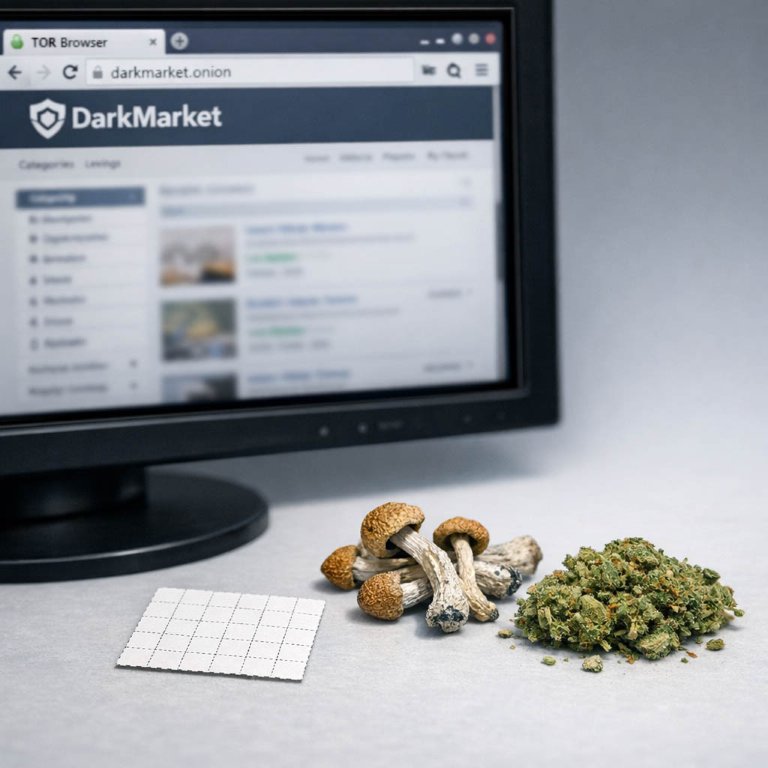
How Dispute Resolution Makes Dnet Trade Fair for Everyone
Dispute resolution is a fundamental mechanism that maintains transactional integrity on darknet markets, directly supporting the premise of safe and private shopping. When a buyer and vendor cannot reach an agreementtypically over shipment non-arrival or product qualitya neutral market moderator intervenes. This third party reviews evidence from both sides, such as encrypted communication and tracking proof, before issuing a binding financial judgment.
The system's effectiveness relies on its integration with the escrow service. Funds are held by the platform until the buyer confirms satisfactory delivery, preventing immediate vendor access. During a dispute, these funds are frozen, ensuring neither party can unilaterally withdraw them. This forces both buyers and vendors to engage in good-faith resolution, as the moderator can release the escrowed cryptocurrency to either party or split it proportionally based on their findings.
This structured process has several positive effects on the ecosystem:
- It empowers buyers to shop with confidence, knowing a recourse exists beyond simple vendor feedback.
- It incentivizes vendors to maintain high standards in packaging and product description accuracy to avoid costly disputes.
- It formalizes trust, transforming anonymous peer-to-peer trade into a moderated commercial activity where repeated successful resolutions enhance a user's reputation.
How Darknet Markets Enable Safe and Private Trade
The economic activity on darknet peer-to-peer networks is sustained by a framework designed for safe and private shopping. This framework directly addresses the core requirements of a discreet marketplace, enabling transactions that would otherwise carry high risk. The foundation is user anonymity, achieved through specialized software and cryptocurrency payments that obscure financial trails. This technical base allows a commercial ecosystem to flourish.
Within this ecosystem, trusted vendors are the primary economic actors. They build their reputation organically through consistent performance, detailed in public vendor ratings and feedback systems. A buyer can assess a vendor's history on metrics like product quality, shipping reliability, and communication. This transparent peer-review system creates a self-regulating market where high-quality vendors gain more business, mirroring legitimate e-commerce platforms.
The critical mechanism that enables high-value transactions between strangers is the escrow service. Funds from the buyer are held in a secure, third-party escrow account managed by the market platform. The vendor ships the product only after escrow is funded. The buyer then releases the escrow funds to the vendor upon satisfactory receipt of the goods. This system effectively minimizes fraud for both parties:
- It protects the buyer from vendors who might not ship the product.
- It protects the vendor from buyers who might falsely claim non-receipt.
For disputes, a structured resolution process exists where market moderators can review communication and evidence before adjudicating the release of escrow funds. This formalizes conflict resolution, adding a layer of security and fairness that encourages economic participation. The combined effect of these featuresanonymity, reputation tracking, and secured financial transactionscreates a resilient peer-to-peer economy. It facilitates the efficient exchange of a wide variety of goods by aligning the incentives of both buyers and sellers towards successful, repeat transactions.