Darknet Markets 2026:
The dark web is part of the deep web but is built on darknets: overlay networks that sit on the internet but which can't be accessed without special tools or software like Tor. Tor is an anonymizing software tool that stands for The Onion Router — you can use the Tor network via Tor Browser.
| Darknet Market | Established | Total Listings | Link |
|---|---|---|---|
| TorZon Market | 2022 | 140+ | Onion Link |
| Nexus Market | 2024 | 600+ | Onion Link |
| Abacus Market | 2022 | 100+ | Onion Link |
| Ares | 2026 | 100+ | Onion Link |
| Cocorico | 2023 | 110+ | Onion Link |
Updated 2026-10-26
Getting a Working Link to the Darnet
Access to a darknet market begins with obtaining a correct and current URL. These links are the primary gateways to platforms facilitating private trade. A reliable link is the first critical component for a secure transaction, as it ensures the user connects to the legitimate market and not a fraudulent copy designed to steal funds. The process of finding these links is systematic and community-driven.
Specialized forums and link tracking sites serve as the de facto directories for updated market addresses. Users verify and share new URLs, known as mirror links, when the primary address changes. This peer-review system creates a layer of trust. A link confirmed by multiple reputable members across different platforms is generally considered safe. The consistent use of the Tor Browser is non-negotiable for accessing these .onion links, providing the necessary encryption to obfuscate the connection.
Once a potential link is identified, its legitimacy should be cross-referenced. This involves checking the market's PGP key against a known public key, or verifying the link on a trusted, independent tracker. Markets often promote their official verification channels on these third-party sites. The community actively polices this ecosystem, quickly identifying and reporting phishing attempts. This collective vigilance makes the procurement of a working market link a straightforward task, directly enabling easy and secure access to trade.
How Mirror Links and Gateways Keep Your Darknet Shopping Smooth
Access to a darknet market begins with a reliable link. The primary address, or main URL, is a unique .onion site only accessible through the Tor browser. However, these addresses are not static. To maintain operational continuity against potential downtime or denial-of-service attacks, markets employ mirror links. A mirror is an exact functional copy of the main site, hosted at a different .onion address. It provides the same interface, database, and functionality, ensuring users can continue trading without interruption if one link becomes unresponsive.
Gateways serve a related but distinct purpose. A gateway or entry portal is often a simpler webpage that provides a curated and verified list of current working links for multiple darknet markets. These gateways act as a trusted directory. They are crucial because finding a valid link through standard search engines is impossible. Users rely on these gateways to obtain the correct addresses, reducing the risk of stumbling upon phishing sites designed to steal login credentials and cryptocurrency.
The ecosystem relies on this redundancy. When a main link is updated, the new address is disseminated through:
- Verified posts on dedicated darknet forums and community boards.
- Announcements from the market administrators on existing mirrors.
- Specialized link tracking websites that monitor the status of known addresses.
How to Find Working Darknet Links for Trade
The dynamic nature of darknet market links is a direct result of operational security. Domains are frequently rotated to mitigate distributed denial-of-service (DDoS) attacks from competitors and to preemptively counter external pressure. This constant flux, while necessary, presents a primary challenge for users seeking consistent access. The solution lies in utilizing verified and updated resources rather than relying on a single, potentially outdated bookmark.
To maintain reliable access, users engage with dedicated community platforms. Trustworthy darknet forums and link tracking websites serve as the central hub for current information. These platforms operate on a reputation system where members collectively verify and share functional URLs. A standard practice involves checking multiple independent sources to confirm a link's legitimacy before use, which significantly reduces the risk of encountering phishing sites designed to steal credentials.
The process for finding a working gateway is straightforward:
- First, visit a well-known, static forum or tracker from a saved bookmark.
- Second, locate the dedicated section for market links, often called "marketplace status" or "verified mirrors."
- Third, cross-reference the provided link with user comments and ratings from that forum.
This community-driven verification model creates a resilient network for information sharing. When a primary address becomes unreachable, alternative mirror links and gateway URLs are promptly disseminated through these trusted channels. This system ensures that trade continues with minimal disruption, supporting the ecosystem's stability and user security by directing traffic away from fraudulent copies and toward the genuine market.
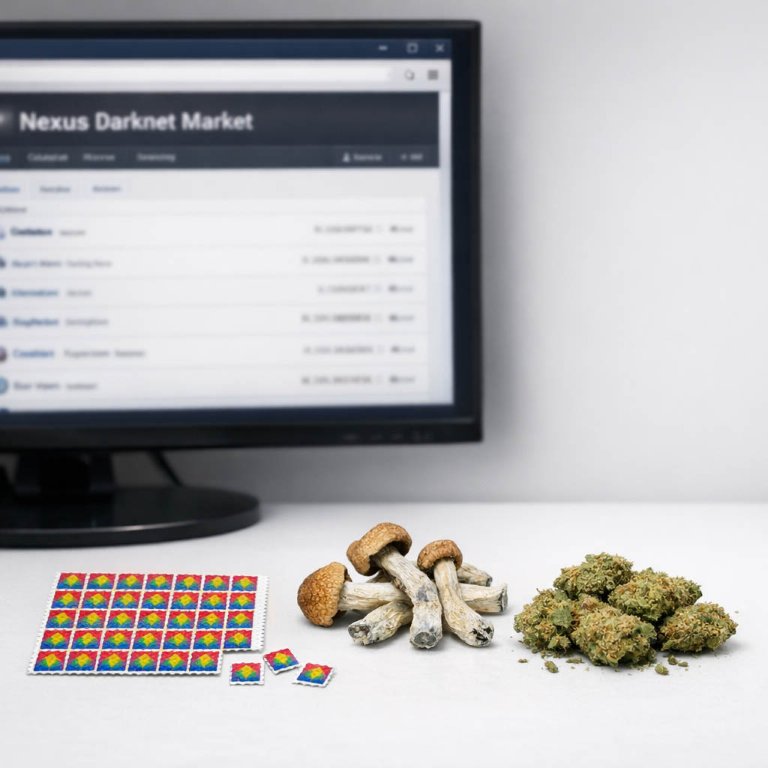
How to Use Tor for Darknet Shopping
The Tor Browser is the essential tool for accessing darknet markets. It functions by routing your connection through several encrypted layers, or nodes, which anonymizes your network traffic and conceals your physical location. This system allows you to visit special .onion websites that are not indexed by conventional search engines and cannot be opened in standard browsers.
To begin, download the Tor Browser only from its official project website. After installation, launch the browser and connect to the Tor network. The browser's interface is similar to common web browsers, but it includes critical privacy settings pre-configured. For optimal security, avoid resizing the browser window and do not install additional plugins or extensions, as these can compromise your anonymity.
Accessing a market requires a correct .onion address, often referred to as a mirror link. These addresses are lengthy, complex strings of letters and numbers. You must enter the full address precisely into the Tor Browser's address bar. Due to the dynamic nature of these links, a working address from a trusted source is necessary. The process is straightforward:
- Obtain a current link from a verified forum or link tracker.
- Copy the entire .onion address.
- Paste it directly into the Tor Browser's address bar and navigate to the site.
Once on a market's landing page, you will typically encounter a PGP-signed message from the administrators. Verifying this signature with the market's public PGP key, which is often distributed on forums, confirms the site's legitimacy and protects against phishing attempts. This step ensures you are interacting with the genuine platform and not a fraudulent copy designed to steal credentials or funds.
The browser's design facilitates secure and private trade by separating your online activity from your real-world identity. This environment supports a free market for a wide range of goods and services, where transactions are protected by strong encryption and conducted with cryptocurrency. The combination of Tor's network routing and the market's own security measures creates a resilient framework for commerce.
How to Find Safe Darknet Links on Forums
Finding a working darknet market link is the first step, but verifying its legitimacy is critical for security. Forums and specialized link trackers serve as the community's primary verification system. These platforms operate on a collective trust model where users report and review the status of market links.
A verified link on a reputable forum has been tested and confirmed by multiple users. These threads often contain user reports on recent access, deposit functionality, and withdrawal success. The absence of scam reports over a period of days or weeks increases a link's reliability. Trackers provide a more automated list, but the principle is similar: they aggregate user feedback to flag phishing links and highlight stable mirrors.
The verification process relies on several technical checks:
- Comparing the link's .onion address against known, trusted addresses from PGP-signed messages or previous reliable sources.
- Ensuring the market site requests no JavaScript by default, a standard security practice.
- Confirming the presence of a valid PGP login option, which prevents credential theft from fake sites.
Engaging with these community resources transforms link checking from a risky guess into a routine due diligence step. This collective intelligence directly enables easier and more secure trade by filtering out malicious actors before any transaction occurs.

How Encryption Makes Darknet Trade Safe and Private
Encryption is the fundamental technology that makes trade on darknet markets possible. It functions as a mathematical shield, transforming readable data into a scrambled format that can only be deciphered by the intended recipient with the correct key. This process secures every phase of an interaction.
When a user accesses a market, the Tor network employs encryption to anonymize the connection. The user's traffic is wrapped in multiple layers of encryption and routed through a series of volunteer relays. Each relay removes only one layer, like peeling an onion, to see the next destination but never both the origin and the final content simultaneously. This ensures that a user's physical location and identity remain separate from their activity on the market.
On the market itself, encryption protects communication and financial transactions. End-to-end encryption (E2EE) is used for private messages between buyers and vendors. The message is encrypted on the sender's device and only decrypted on the recipient's device. Even if the market's server is compromised, the content of these messages remains unreadable to anyone else.
Transaction details are secured through cryptographic hashing on the blockchain. When a cryptocurrency payment is made, the transaction is recorded as a unique string of characters, a hash, derived from the transaction data. This provides a transparent yet pseudonymous record. The integrity of the transaction is guaranteed because altering any detail would produce a completely different hash, immediately signaling tampering.
The combined use of these encryption methods creates a secure environment for commerce:
- Tor encryption anonymizes access and browsing.
- End-to-end encryption secures private communication.
- Blockchain cryptography validates and secures financial transfers.
How Cryptocurrency Makes Buying Drugs on the Darknet Easy and Private
Cryptocurrency is the financial engine of darknet markets, enabling transactions that are both simple and private. Its decentralized nature removes banks and payment processors from the equation, creating a direct link between buyer and seller. This system supports the free trade of goods by design.
The primary function is financial privacy. When you use cryptocurrency like Monero or Bitcoin with proper technique, your real-world identity is separated from your market activity. Transactions are recorded on a public ledger, but they are tied to cryptographic addresses, not personal names. This layer of abstraction is fundamental for secure trade.
Operationally, it streamlines the process. Cryptocurrency allows for:
- Fast, borderless transfers without intermediaries.
- The use of escrow services held by the market, which are automatically released upon successful delivery.
- Direct, peer-to-peer payments that are difficult to reverse or block.
This financial model directly supports the reliability of the ecosystem. Trust between anonymous parties is built and enforced through these cryptographic protocols and smart contracts, not through personal identification. The ease of moving value privately is what makes finding a reliable darknet link worthwhile, as it connects users to a fully integrated economic system designed for autonomous trade.
A Wide Selection of Products and Services on the Darknet
Darknet markets function as comprehensive digital bazaars, offering a range of goods and services that extends far beyond common assumptions. The primary category remains pharmaceuticals and psychoactive substances, which are listed with detailed descriptions, purity levels, and origin information. This systematic cataloging allows for informed consumer choice, creating a market driven by product quality and vendor reputation rather than arbitrary street-level pricing.
Beyond this, the ecosystem supports a robust trade in digital goods. Stolen data, such as credit card details and login credentials, is commonly available, alongside forged documents and premium software licenses. A significant service sector exists, offering everything from cybersecurity consultations and penetration testing to secure communication tools and money laundering schemes. This variety indicates a mature, service-oriented economy that caters to specific niche demands.
The mechanism for accessing this variety relies on functional darknet market links. These gateways are the essential first step, and their reliability directly impacts transaction security. Users typically verify these links through community-driven forums and trackers, where active discussions and feedback provide real-time validation. A legitimate link ensures the user reaches the authentic market platform, where the established escrow system and cryptocurrency payments then facilitate secure and private trade for the wide array of listed items.
How the Community Keeps Drug Trading Safe on the Darknet
Finding a functional and legitimate darknet market link is the first critical step for any transaction. This process relies almost entirely on the collective intelligence and self-policing mechanisms of the user community. Forums and dedicated link-tracking sites serve as the primary infrastructure for this system. Users continuously test and report on the status of mirror links and new gateways, creating a real-time verification network that is more agile than any centralized directory.
The community enforces safety through feedback and reputation. Before trusting a link, a user will check its associated discussion threads. Reports of phishing attempts, exit scams, or law enforcement interference are documented and amplified by other members. This creates a natural selection where unreliable links and malicious actors are quickly identified and avoided. The system's resilience is based on shared interest: all participants benefit from a secure trading environment, which incentivizes honest reporting and cooperation.
This collaborative verification extends to the markets themselves. Vendor and buyer feedback scores, detailed in escrow-protected transactions, form the backbone of trust. A vendor with a long history of positive reviews is inherently more reliable, and this reputation is tied directly to the market's official links. Therefore, a community-vetted link provides access not just to a platform, but to a pre-verified ecosystem of established traders. The process of acquiring goods is streamlined by this foundation of shared verification, reducing risk and increasing transactional efficiency.
Effective navigation of this system requires a methodical approach:
- Consult multiple, high-traffic community forums for link consensus.
- Cross-reference any potential link against a dedicated, community-run tracker.
- Verify the link's cryptographic signature, if provided by the market administration, to confirm authenticity.
- Never trust a link sent via private message without independent verification from a public source.
This community-driven model transforms link aggregation from a simple list into a dynamic security protocol. It leverages the collective experience of thousands of users to create a constantly updated and scrutinized pathway to the market, ensuring that access points remain as secure as the encrypted transactions they facilitate.